

58: Where I was from
Aboard the Eastern & Oriental in Malaysia

There is a quote from Joan Didion’s Where I was From that sticks with me:
Remember, take no cutoffs and hurry along as fast as you can.
I don’t possess many memories of my early years in Kuala Lumpur. I moved to Canada when I was too young. But I think of my mother, who left her whole life in her home country behind at thirty-four to move with my father and two rambunctious young daughters in her lap to start a new life in Canada. No friends, no existing community.
I’ve found myself throughout the years imagining her childhood, the little girl whose dad worked in the tin mines surrounding Ipoh, how he once clung to a tree for life as a flash flood swept the region and, during his childhood, remembers having to bow down to the Japanese during the occupation. I think of my grandmother, who grew up so poor that for her birthday she got two eggs, and though she was forced to drop out of school young, remains one of the wittiest people I know.
I think of Kuala Lumpur, my birth town, and how vastly it’s changed since the version of my childhood. The old apartment building is no longer painted baby blue, but a lifeless grey. The parks get smaller and smaller, while a concrete jungle takes over, nature still reminding us of her presence by pushing through cracks with lush greenery.
Malaysia will always be pink guava, lush greens, and coconuts to me. A musky, warm, and vibrant colour palette to match the heat and humidity. It’s Costa Brazil’s Aroma in oil embedded in orange curries and banana leaves. It is my grandmother’s cooking combined with relentless humidity.
Coming to my place of birth is a bittersweet venture - I am reminded of the passing of time, the fact that I am neither here nor there due to my mixed race, of my love for family, but also the acknowledgement that I cannot stay for long. It’s always a treat to be back for a little while and spend time with my Popo and eat all of the delicious food, which is a harmonious blend between Chinese, Thai, Indian, and Indonesian cuisines. I’m biased but Malaysian food is the best.
When the Eastern & Oriental invited me aboard their Essence of Malaysia journey a few weeks ago, I’ve never felt so nervous-excited-nostalgic in my life. What an incredible opportunity to see outside of Kuala Lumpur, to explore Malaysia’s rich and complex colonial history and reset my imagination of where I was from, all while riding a beautiful and romantic train decorated to honour the beauty of wild Malaysia.
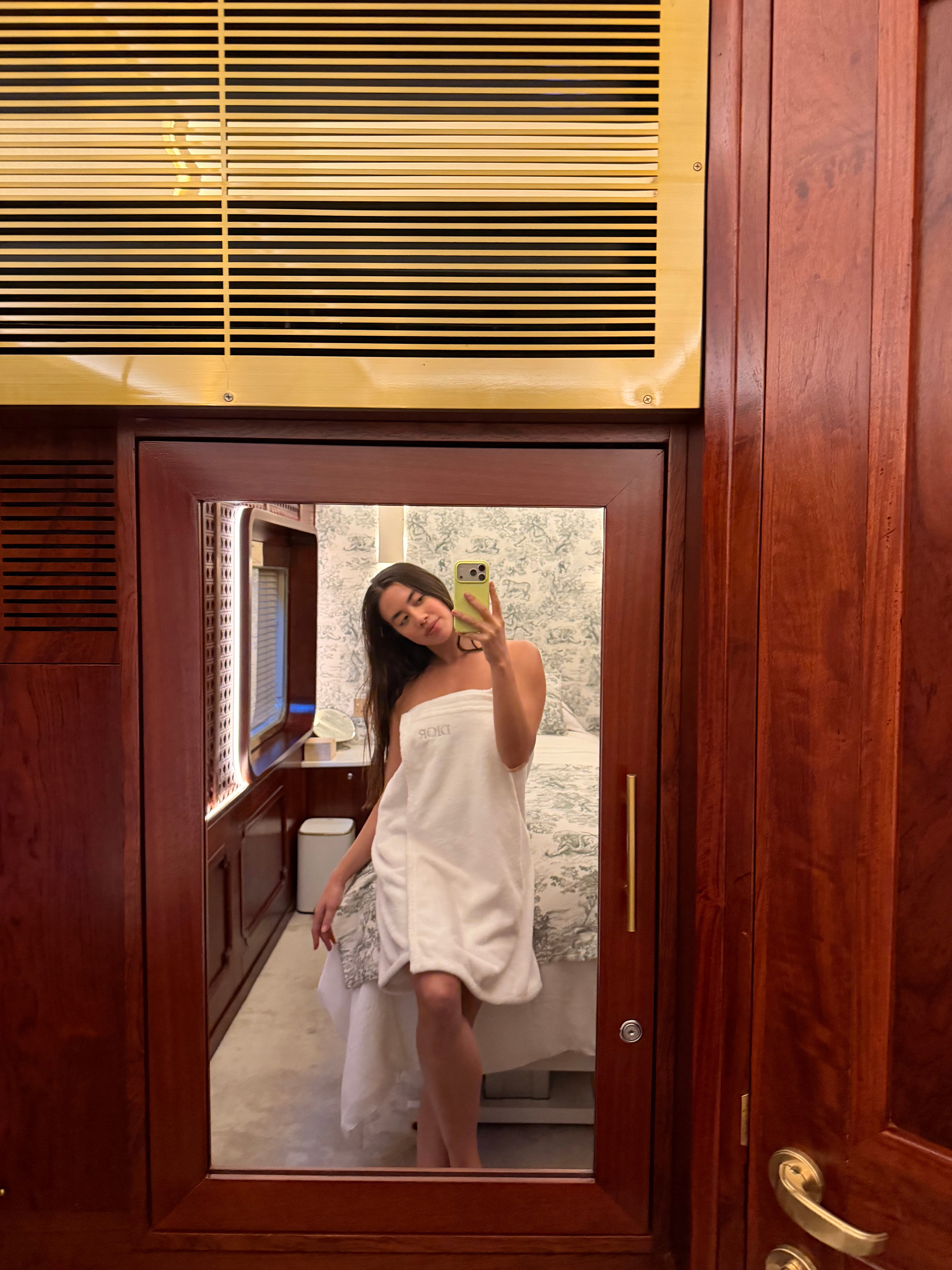
I packed my bags and headed for Woodlands station in Singapore. Upon boarding, I was directed to my quaint state cabin.


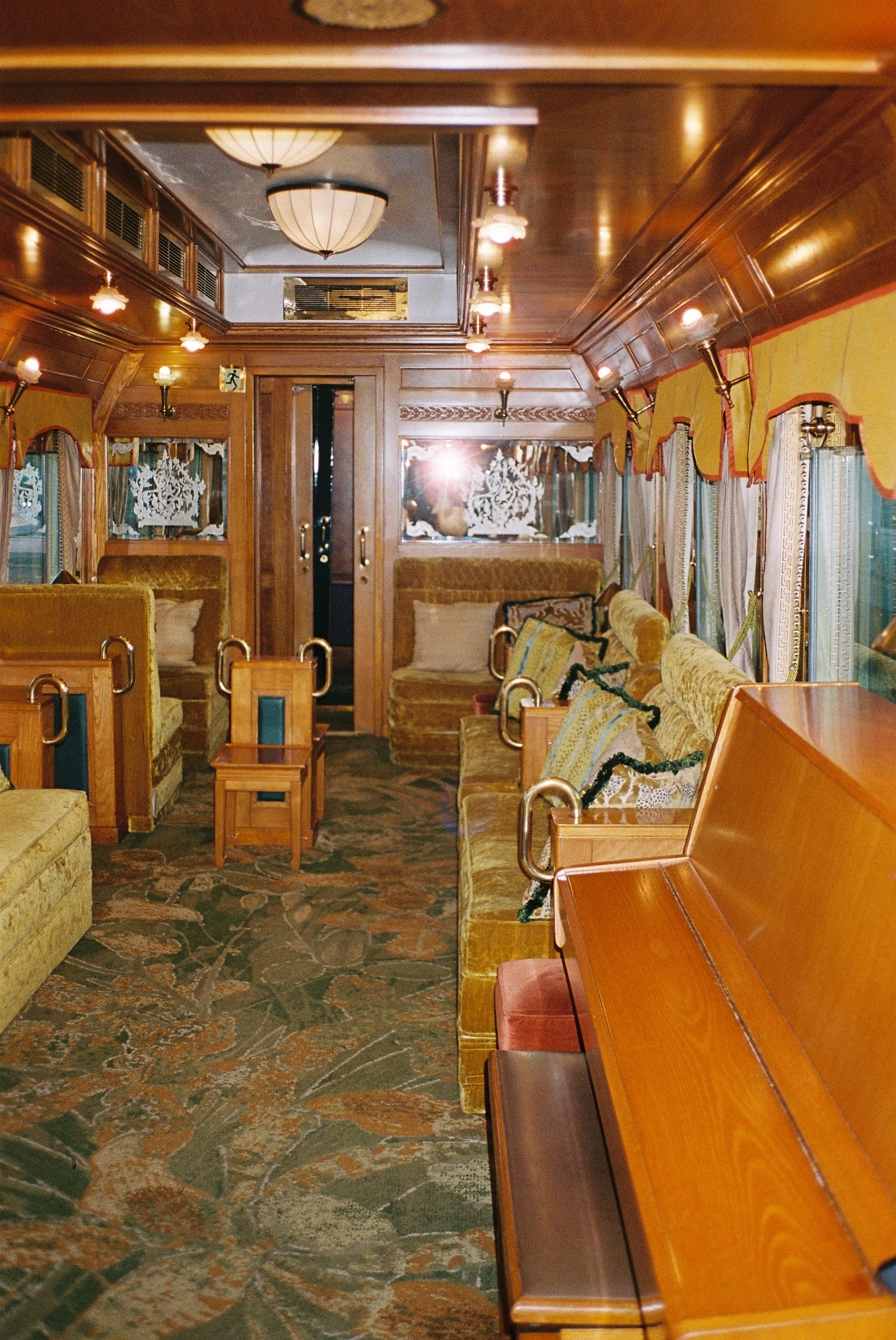
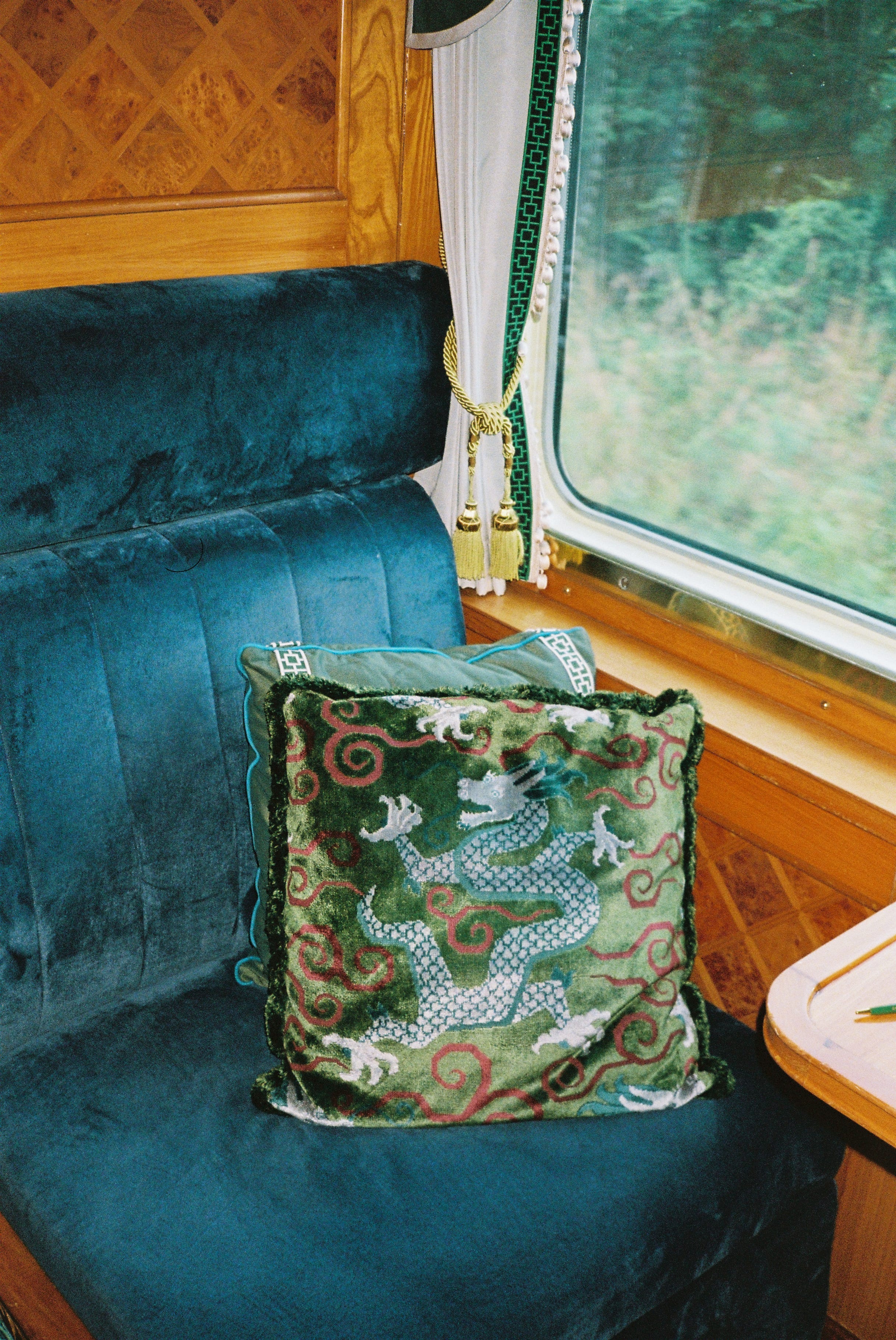
The interior of the original Eastern & Oriental Express was designed by French designer Gerard Gallet, who paid particular attention to fabrics, textures, and textiles. Since 2024 the train sports a new design, but it pays all the same attention to detail as its predecessor. Rich jewel tones, Thai silk and Malaysian embroidery textures, and an endless sea of teak and burl wood adorn the interior of fifteen cars that transport guests to a bygone era of Southeast Asia.
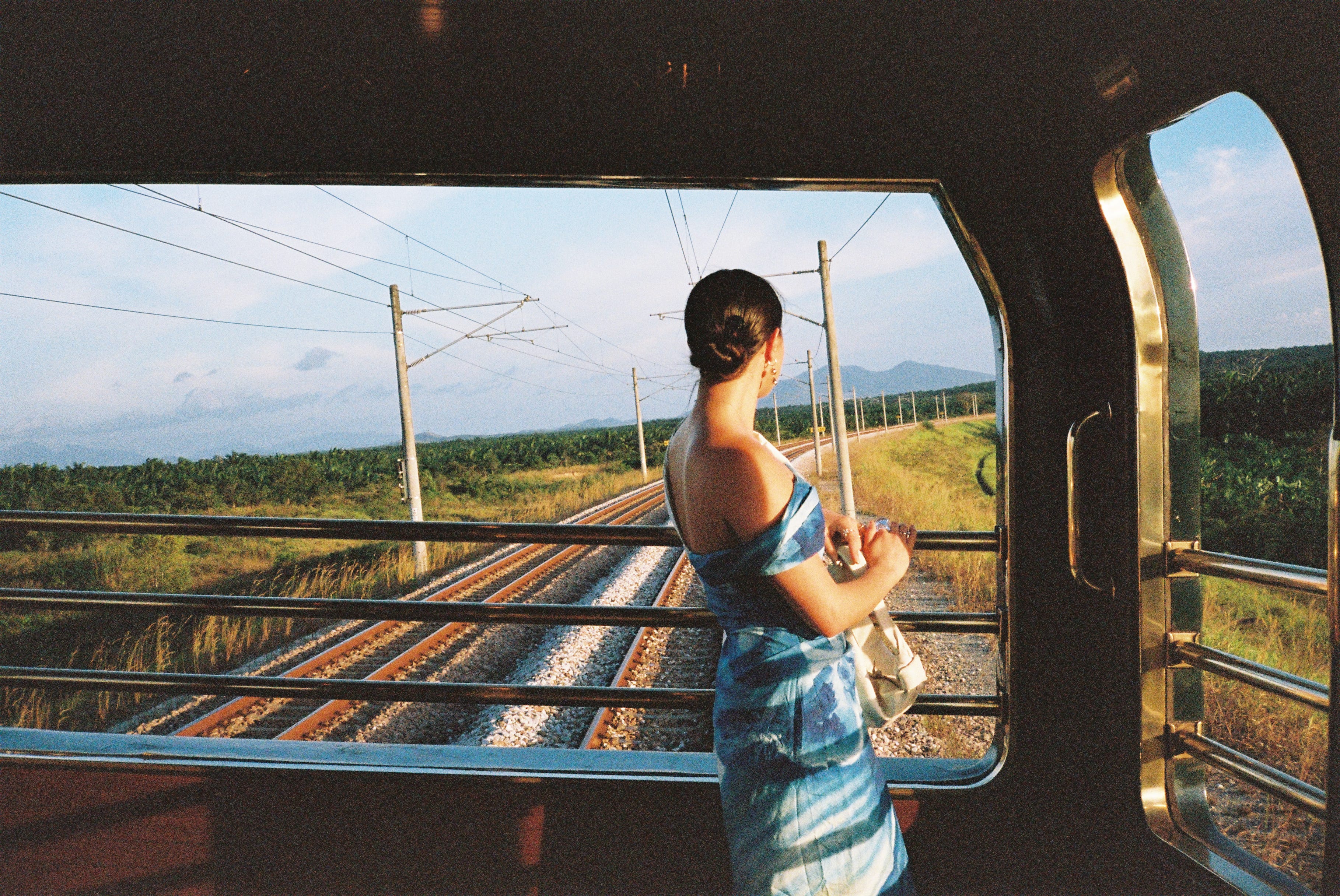
I wish I could pick a favourite part of the train. The decadent dining cars, the piano bar, the Dior Spa, all lead back to the observation deck, prefaced by a beautiful little bar. To order a martini and sit aboard the open-air deck, gazing at the railroad and the surrounding jungle, is an experience I will never forget.
The first night was a lot of soaking it all in, venturing from the view on the observation deck to enjoying a delightful meal by chef André Chiang, indulging a glass of wine, and then retiring to the piano bar for traditional Malaysian jazz.
On the first day trip we ventured to Langkawi island, a place I’d been to back in 2022. After about an hour boat ride we arrived on shore, to such a vast and deep stretch of beach, the likes of which I’d never seen before. Disclaimer: I wish I had pictures, but by an unfortunate mistake I broke my phone and was unable to document the beach. But what I remember the most is the silence - the vast stretch of land so large that all sound vanished into the air. There was only the tropical breeze and the gentle waves, and it was so relaxing.
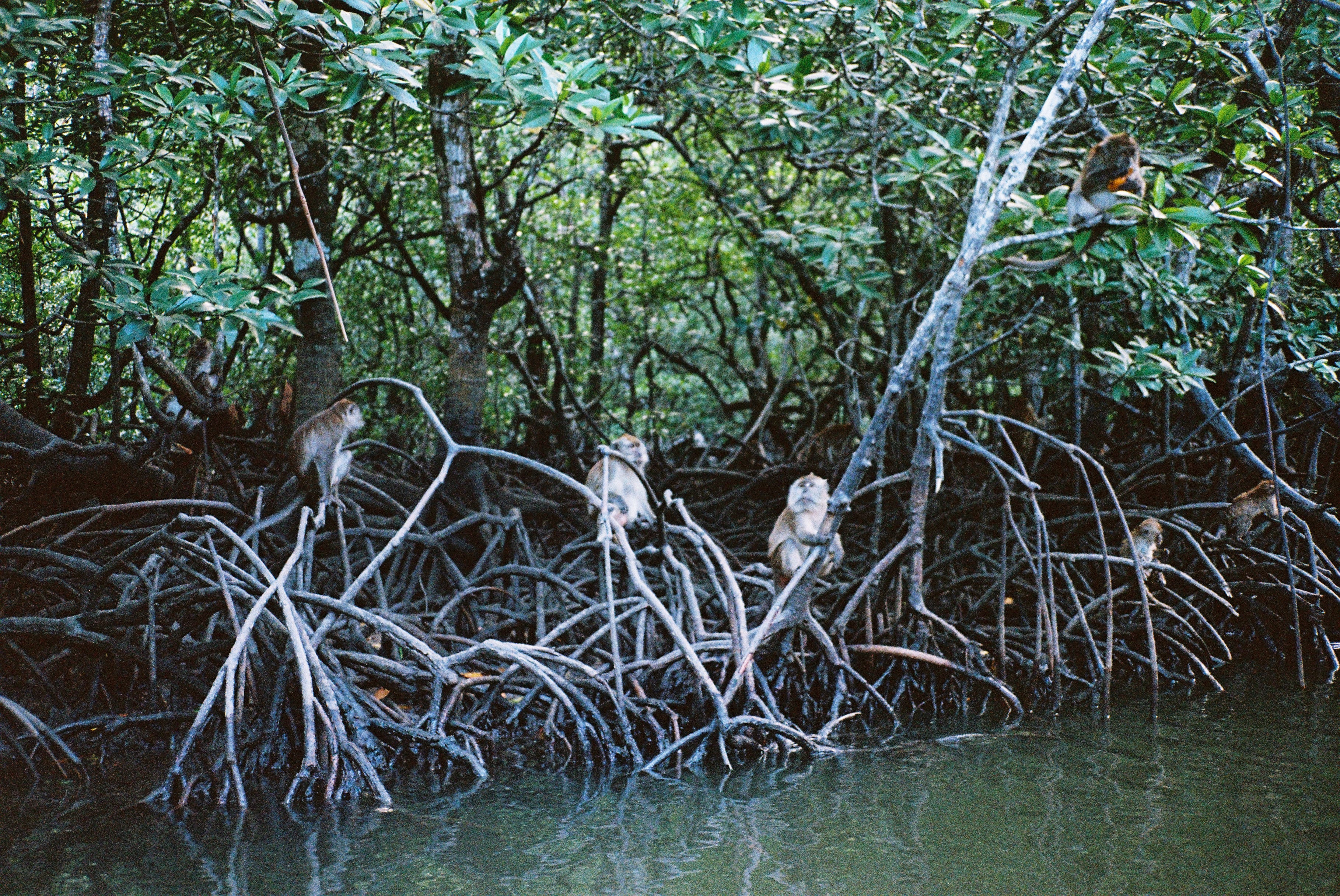
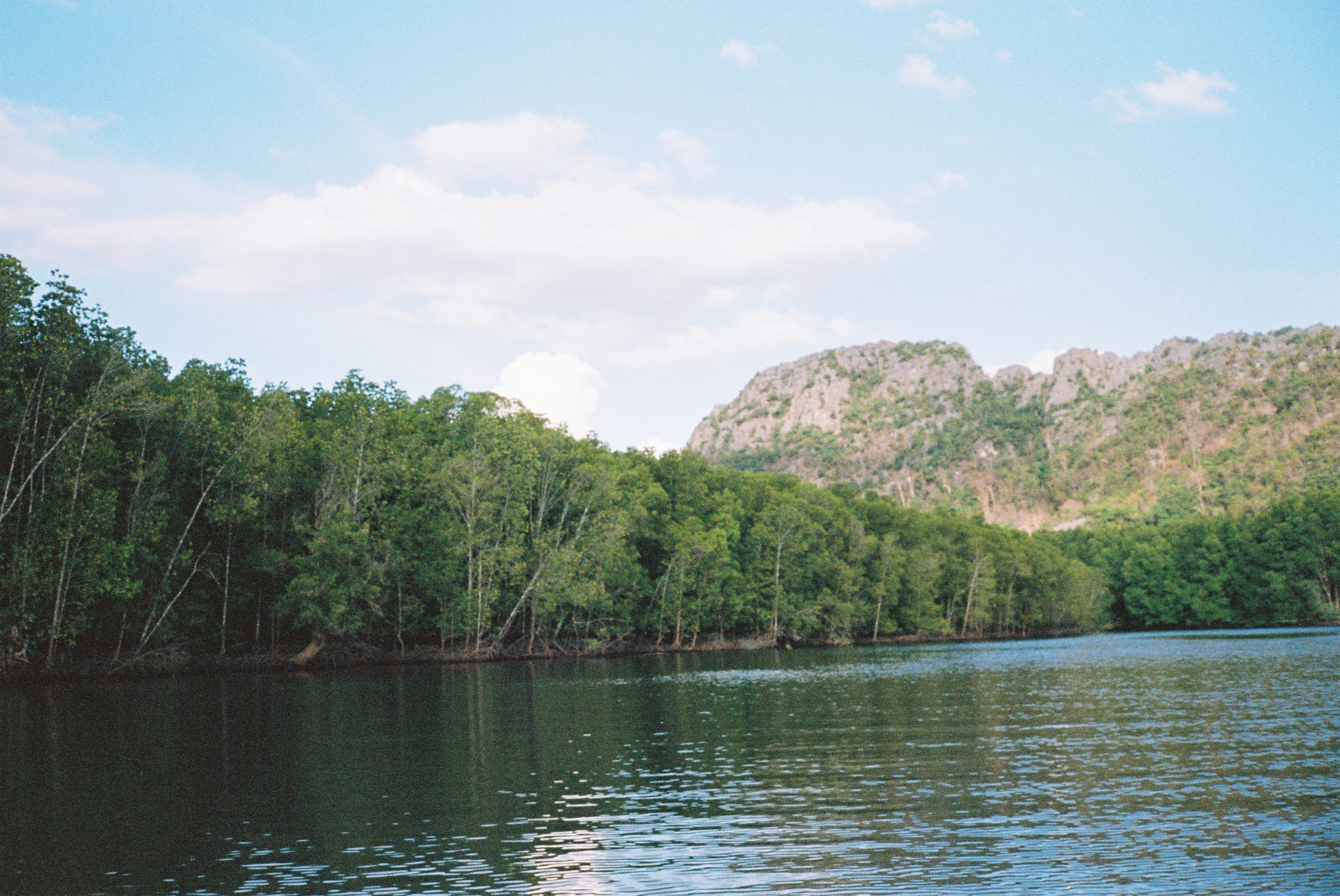
After a couple hours on the beach we ventured on a short tour of Langkawi’s mangroves, an ecosystem threatened by erosion and reckless tourism (we were with a very responsible guide determined to protect the region’s diverse ecosystem).
The second day was my favourite. We stopped in Penang’s Georgetown, with its perfectly preserved colonial buildings painted in varying pastel colours. Malaysia’s spice capital (the food is very spicy), filled with street murals and sculptures, possessed a vibrancy that Kuala Lumpur lacked. We took a Vespa tour to explore some of the city’s cultural offerings, including a traditional Chinese puppet opera, a batik designer’s workshop, and a stop at Seven Terraces hotel, which had an antique shop possessing one of the most impressive collections I’ve ever seen.
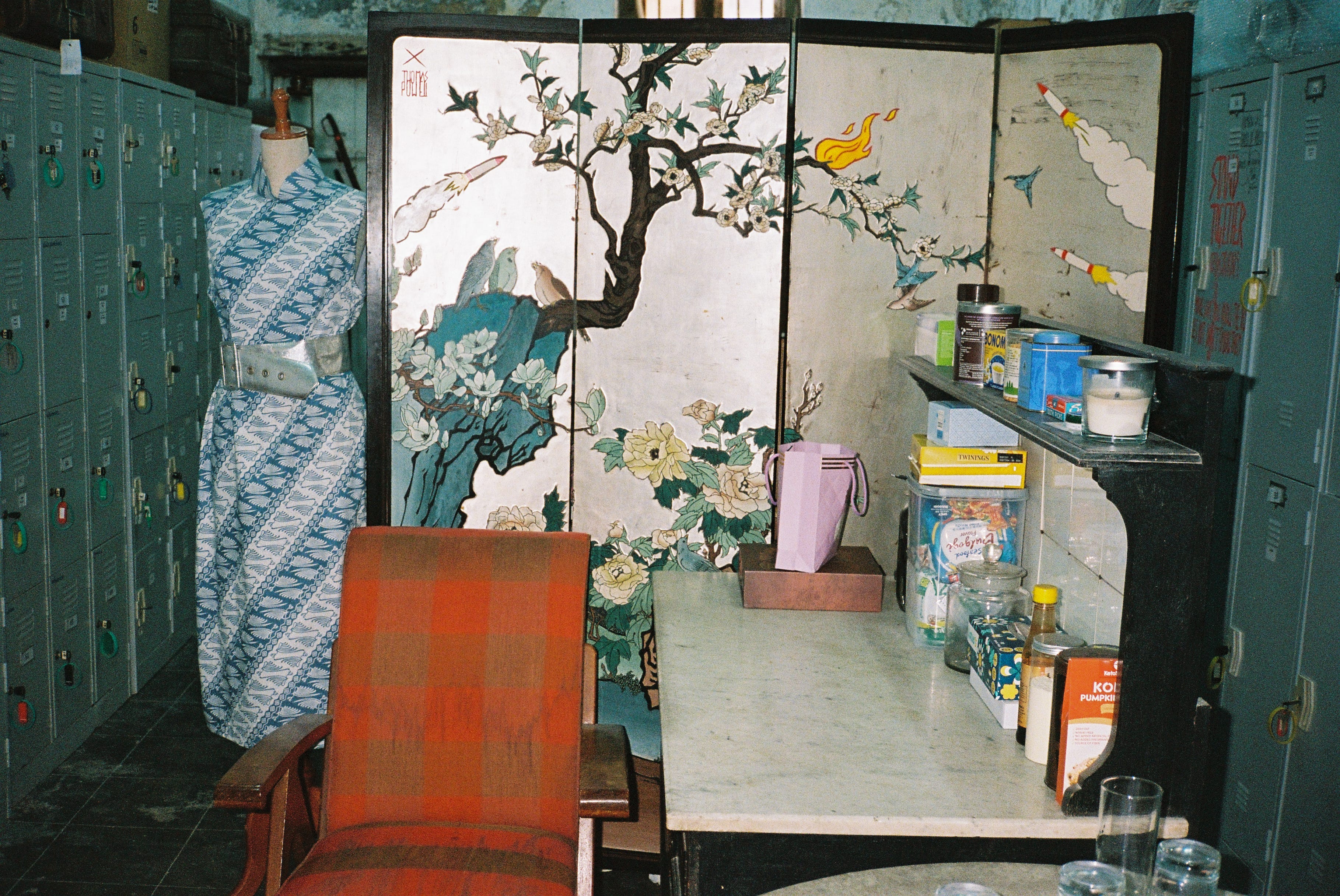
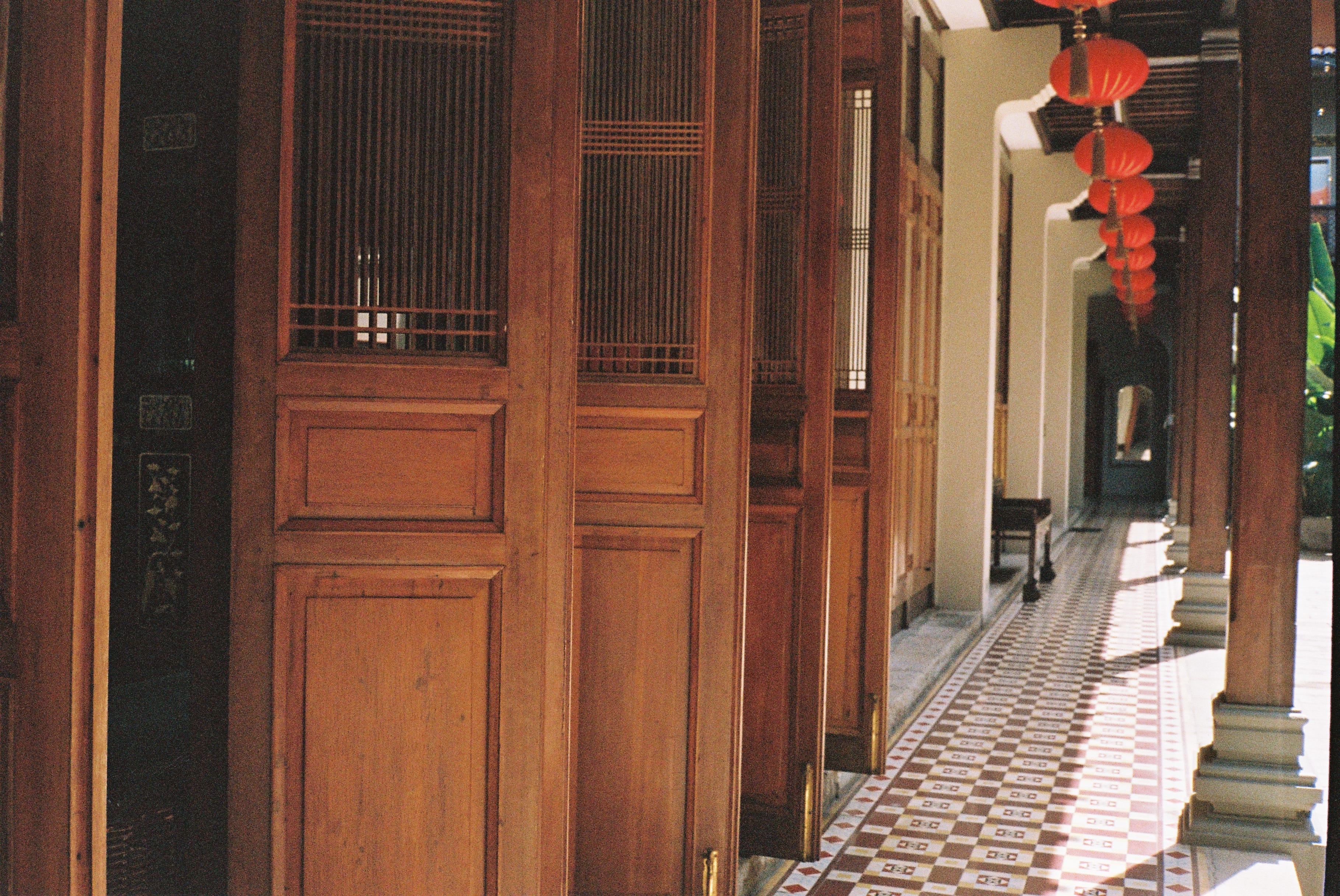
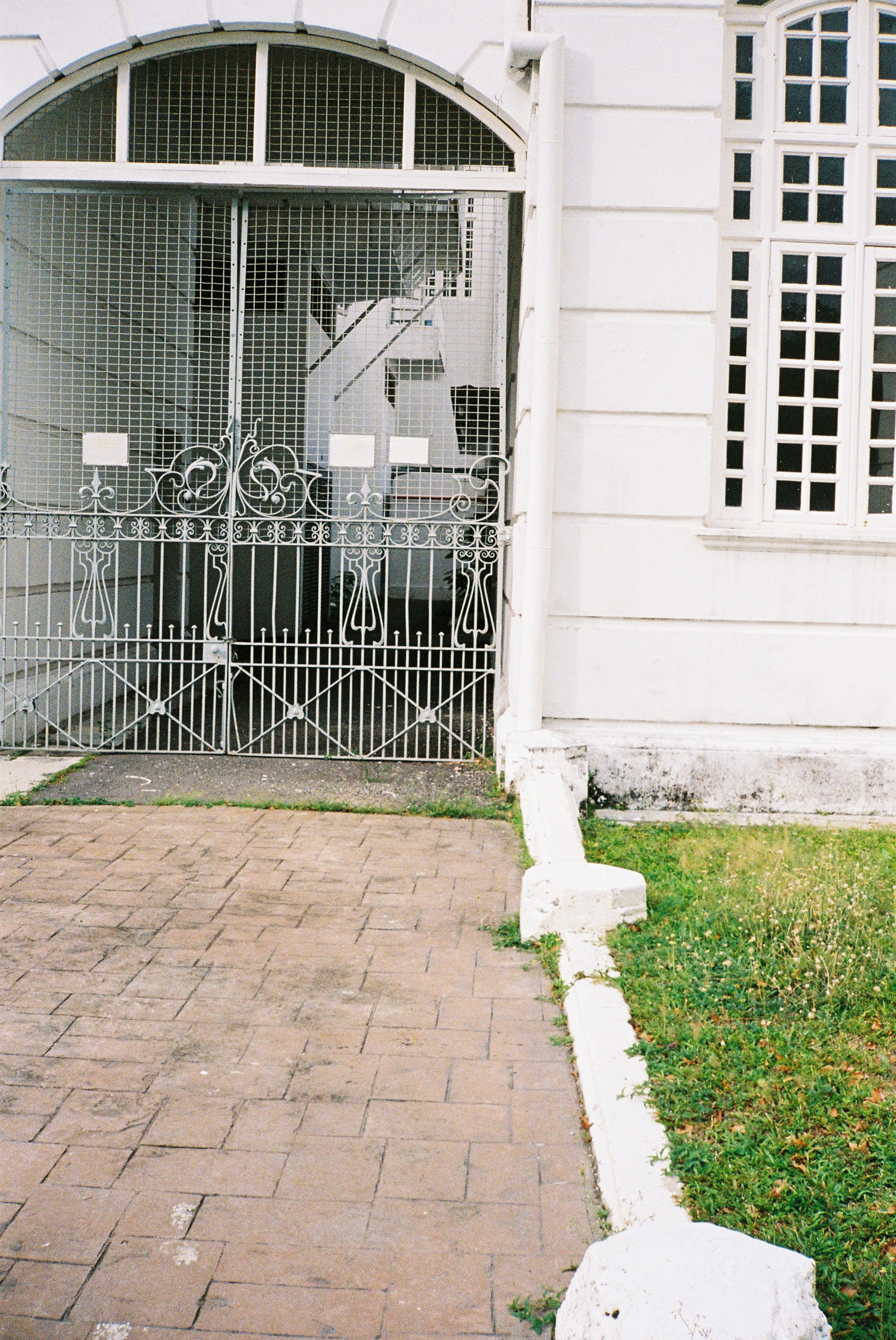
Penang reignited my love for Malaysia and its vibrancy - the street art, the passion, the grittiness and the colours. But what truly made me stop in wonder was a brief little walking tour of old Ipoh, where my mum spent her childhood. I only have one film photo, and that is of the gates outside the old post office.
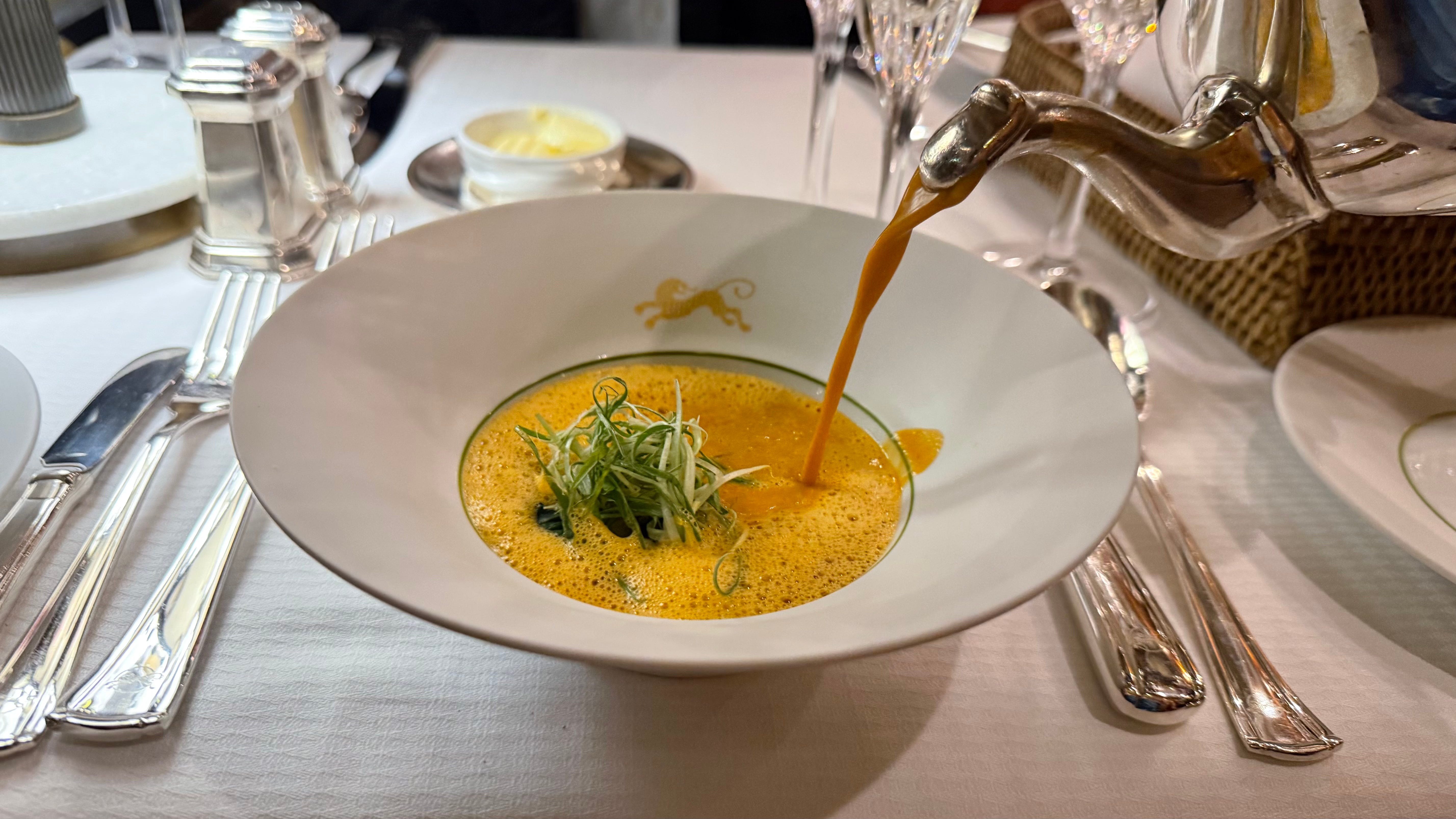
Each organized excursion was meticulously planned and flawlessly executed by the Belmond team, from the boat rides to Langkawi to the personal Vespa drivers in Penang. Even our sweet tour guide in Ipoh was charming and memorable. But the most outstanding part of the Eastern & Oriental Express was the food. Chef André Chiang and his team outdid themselves every meal, which was as much a performance as it was an homage to Malaysia’s finest street food classics, reimagined for fine dining. My favourite was the laksa bouillabaisse.
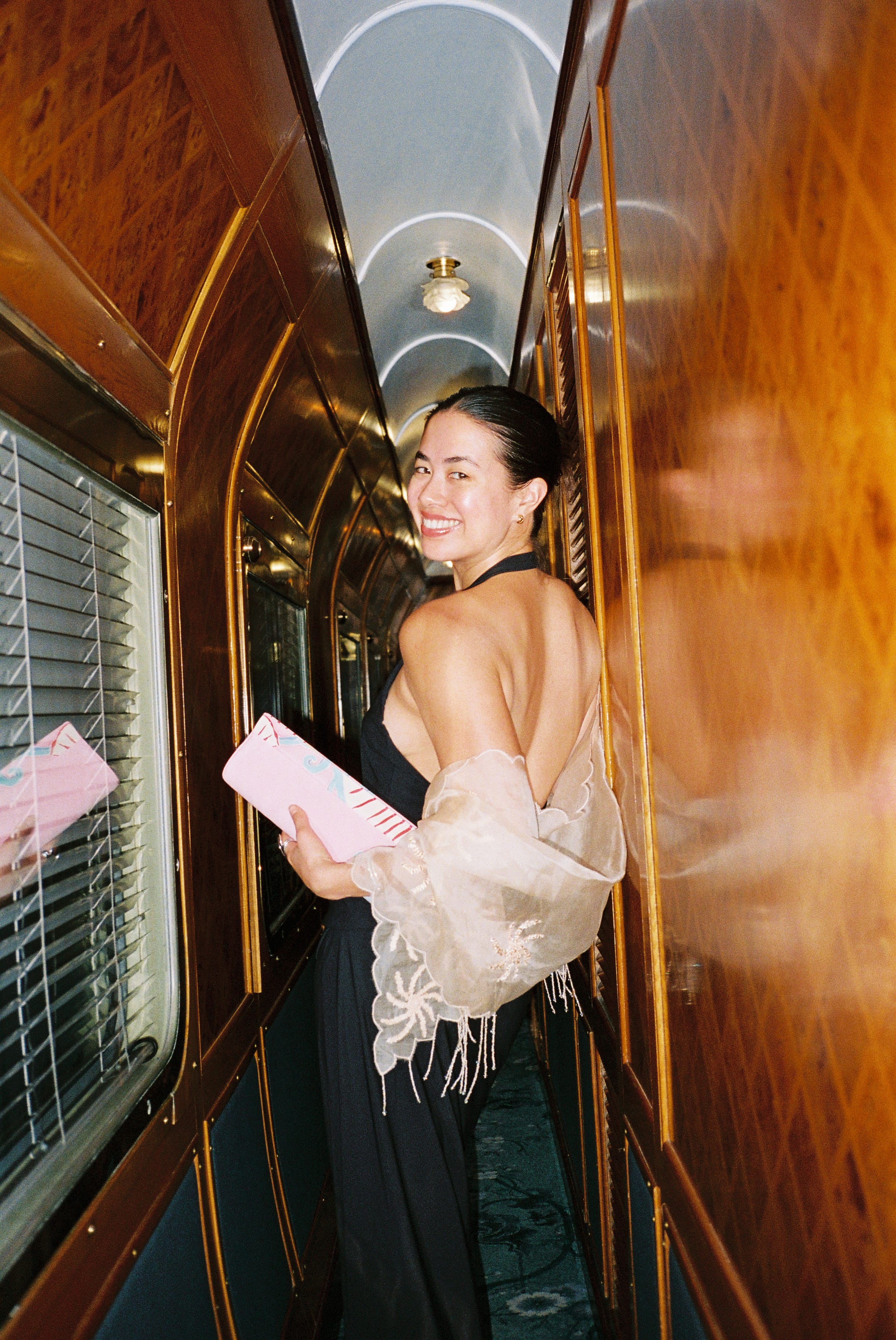
The beauty of the Eastern & Oriental is that you can have such an enriching experience just from being on the train. The delicious meals and tea times, indulgent facials and massages at the spa, even just walking back and forth across the beautiful wooden cabins felt magical and surreal.
My favourite, most meditative moment of all though, was staring out the window in my cabin, intermittently looking down to write postcards.
I think a lot about Didion’s quote (which in itself is a quote), “Take no cutoffs”. I learned it means take no shortcuts. A bit of a paradox to take no shortcuts but “hurry along”, but after a lot of contemplating I feel this is deeply emblematic of the journey I had on the E&O. Malaysia is a small country geographically compared to Canada; it only takes a day to drive through it. But what would the point of that be when you can take three days and make stops along the way, to see all the sights and soak in all that wild, wild Malaysia has to offer?
I stare out the window, writing my postcards. The palm trees and the jungle become a green blur as the train chugs along the rail, and occasionally we pass houses and whole neighbourhoods. And even though I am alone, I feel the sweeping presence of my mother, my grandmother, my grandfather, and all who came before, where I was from.
Explore journeys aboard Belmond’s Eastern & Oriental Express.
Written beautifully and vividly
This is so beautiful ♥️🥹